






This August, Frankfurt am Main becomes the center of the rhythmic gymnastics world. The 2026 Rhythmic Gymnastics World Championships — the sport's top annual competition — take place from August 12 to 16, 2026, bringing together the best senior and junior gymnasts from across the globe for five days of elite competition. Whether you coach a club, are training for your next season, or simply love the sport, here is everything you need to know before the event begins.
When and Where: Frankfurt Am Main, August 12–16
The 2026 World Championships are hosted in Frankfurt am Main, Germany. Frankfurt is one of Europe's major sporting and cultural hubs, well connected by air and rail from across the continent — making it one of the more accessible Worlds in recent memory for European fans and delegations.
The competition runs across five days, August 12 through 16, 2026, covering senior individual, senior group, and junior categories. For clubs and athletes already deep into their pre-season preparation, this timeline means the summer training block is effectively structured around the Frankfurt deadline.
What Is the Rhythmic Gymnastics World Championship?
The World Championships is the premier annual event in rhythmic gymnastics, organized by the Fédération Internationale de Gymnastique (FIG). It is the only global competition where gymnasts from every eligible federation compete together, making it the definitive measure of where the sport stands in any given year.
Unlike the Olympic Games — which feature a condensed programme — the Worlds run a full schedule of individual and group events across multiple apparatus. Medal tables, qualification standings, and the FIG Code of Points rankings all shift significantly after each World Championships, which is why the result of this event shapes the entire competitive season that follows.
For a broader look at how the sport works — scoring, history, and disciplines — see our complete guide to rhythmic gymnastics.
Format: Individual and Group Events
The World Championships programme is divided into two main streams: senior individual and senior group, plus junior categories. Here is how the individual competition is structured.
Senior Individual Apparatus
Under the current FIG Code of Points (2025–2028 cycle), senior individual gymnasts compete with four apparatus:
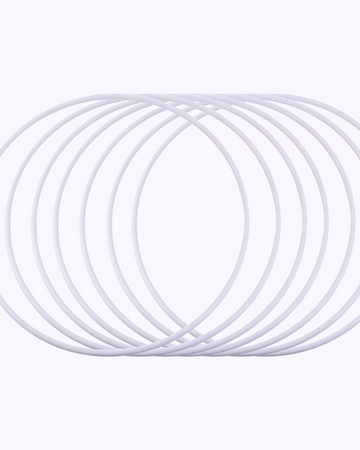
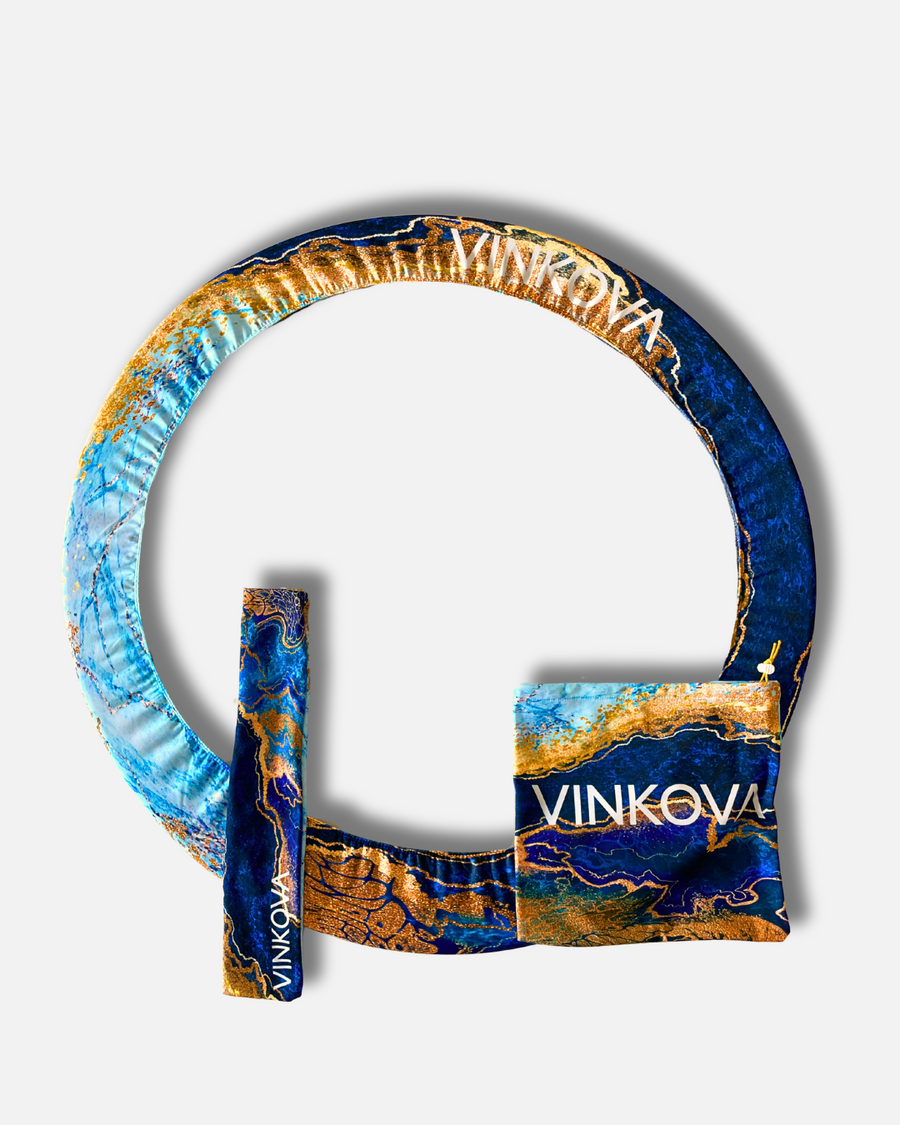
- Hoop — with an inner diameter of 80–90 cm depending on the gymnast's height, requiring full-body coordination and precise manipulation.
- Ball — the most fluid of the four apparatus, demanding continuous contact and dynamic throws.
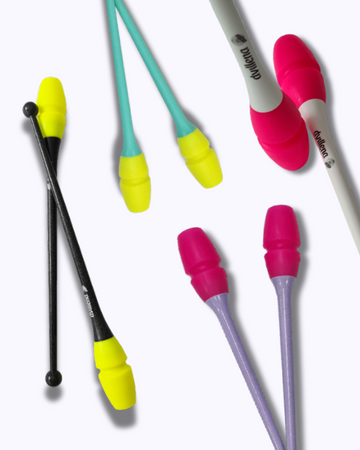
- Clubs — a pair of clubs measuring 40–50 cm under FIG apparatus norms, calling for rhythmic asymmetry and risk elements. Shorter clubs (around 36–41 cm) are common for training and younger age groups.
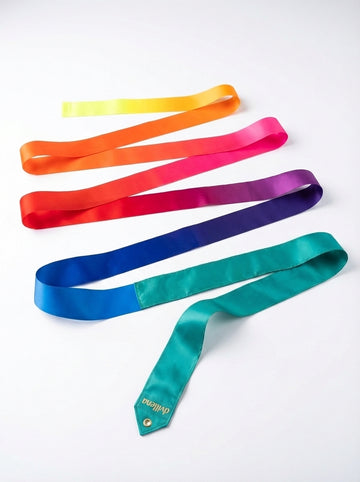
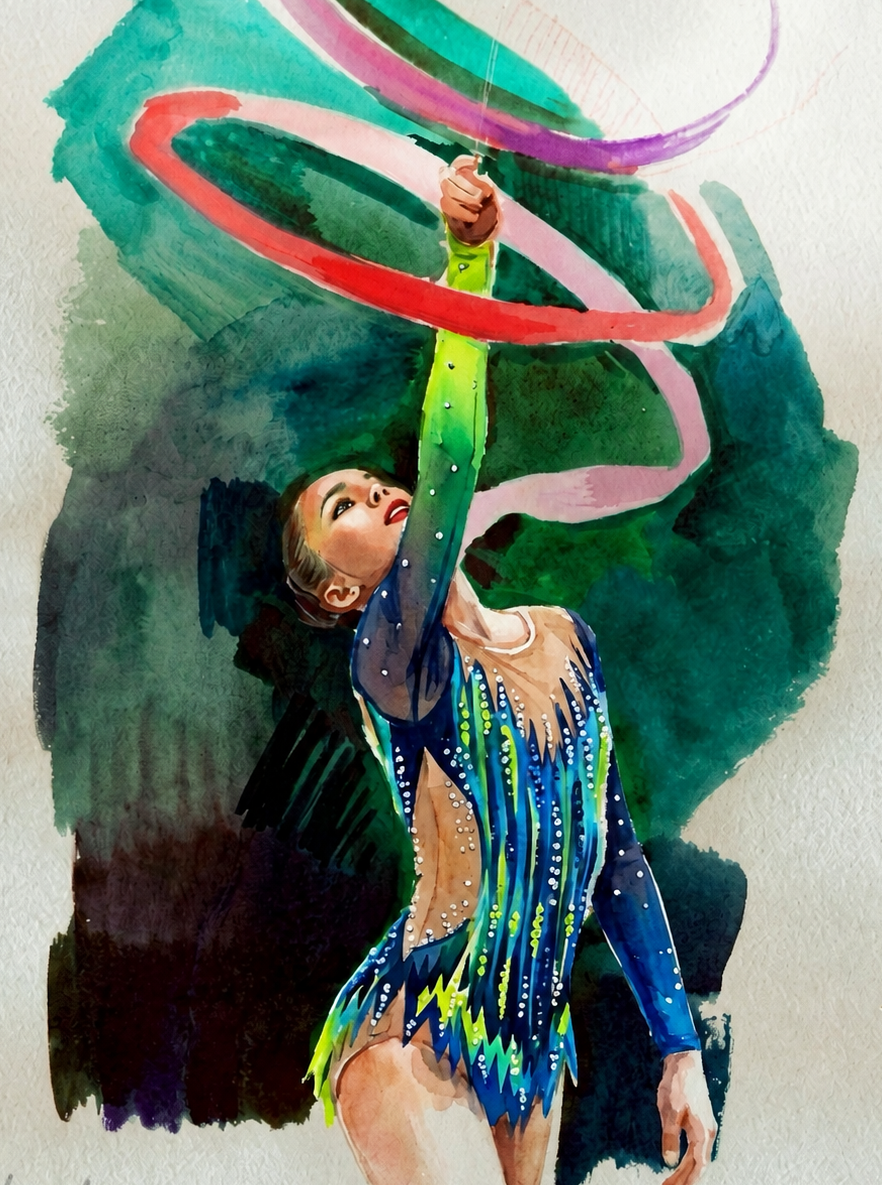
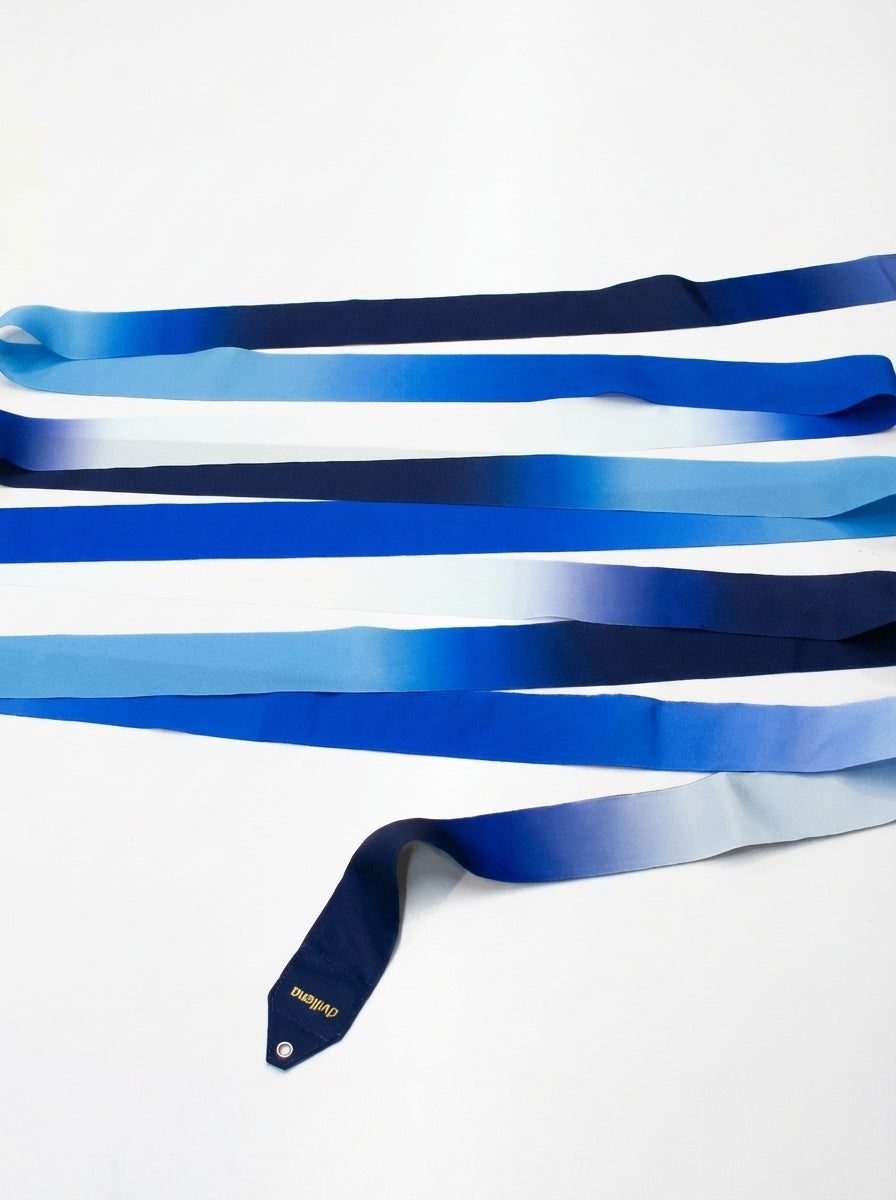
- Ribbon — a minimum of 6 metres for seniors (5 metres for juniors), where continuous movement and wave patterns are judged alongside body difficulty.
Each routine is performed to music and evaluated on Difficulty (D) and Execution (E) scores. The D score rewards technical content — body difficulty, apparatus difficulty, and artistry elements — while the E score penalizes execution faults and deductions. The all-around title goes to the gymnast with the highest combined score across all four apparatus.
For a closer look at the apparatus themselves — what they are made of, how to choose the right one by level, and what to look for in competition-grade equipment — read our apparatus guide.
Group Events
The group competition features five gymnasts performing together with either five identical apparatus or a mixed set (typically a combination of two apparatus types). Synchronization, spacing, exchanges, and collective difficulty determine the group's score. Group finals at Worlds are consistently among the most-watched sessions of the week.
Why Germany — and Why It Matters
Germany is not traditionally one of the sport's dominant nations, but hosting the World Championships in Frankfurt is significant for several reasons.
First, it brings the event to the heart of Western Europe at a moment when interest in rhythmic gymnastics is growing across the region. Germany, Belgium, the Netherlands, and Switzerland all have expanding competitive communities — and a local host nation adds crowd energy and media attention that a more distant venue would not.
Second, for athletes and clubs across Europe, proximity means more national federations can send larger delegations to observe, compete, and learn. For coaches deciding on training priorities, kit, and competition preparation, the 2026 Worlds will function as a visible reference point for what elite competition demands heading into the next Olympic cycle.
Third — and this is worth noting for anyone following the broader calendar — the 2026 season is a critical one for Paris cycle legacy and early Los Angeles cycle positioning. Results at Frankfurt will influence squad compositions, funding decisions, and national programme priorities across dozens of federations.
How to Follow the Event
The FIG typically streams World Championships sessions through its official channels and the gymnastics.sport platform. Check the FIG website for broadcast and streaming details as the event approaches — schedules and session breakdowns are usually confirmed in the weeks before competition begins.
For fans in Germany and across Europe, attending in person is the most immersive option. Frankfurt's infrastructure — high-speed rail connections from major cities, international airport, and established event venues — makes logistics straightforward compared to many previous host cities.
Preparing for the Season: What Elite Competition Looks Like in 2026
One thing that the World Championships consistently clarifies is the aesthetic standard of competition at the highest level. Coaches and gymnasts watching Frankfurt will notice two ongoing trends that have defined elite rhythmic gymnastics in the current Code cycle.
The first is difficulty escalation: the pressure to pack more technical content into each routine has intensified, with top gymnasts attempting increasingly complex body-apparatus combinations. This rewards clean technique above all — a well-executed moderate-difficulty routine consistently scores above a messy high-difficulty one.
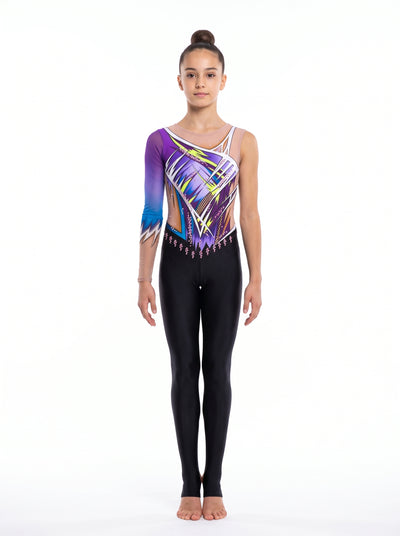
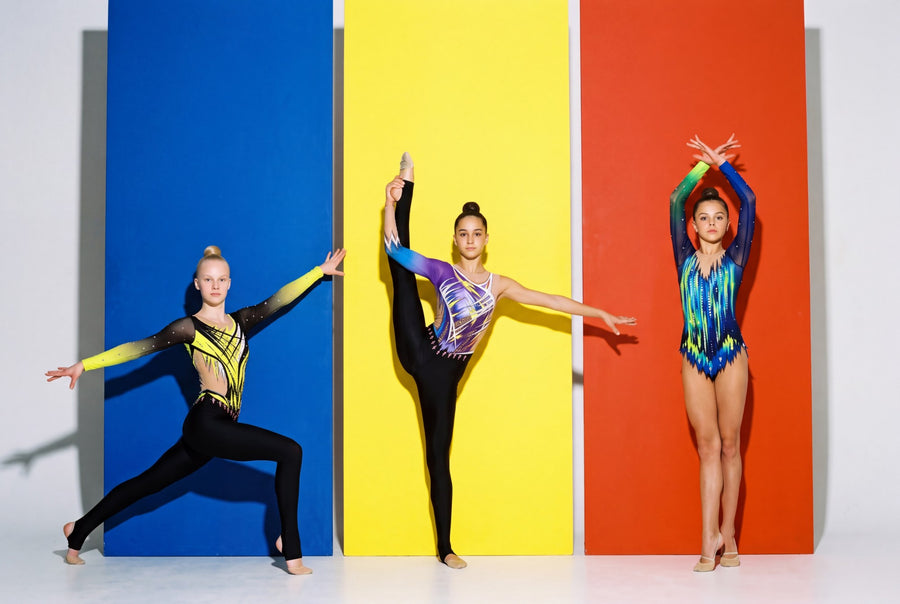
The second is visual clarity. Elite competition leotards at events like Worlds are now almost universally designed for maximum visual impact under arena lighting and broadcast cameras. Solid blocks of colour, bold contrasts, and opaque construction — rather than nude mesh illusion panels — have become the dominant aesthetic at the senior level. It is a shift driven partly by broadcast demands and partly by a broader move toward leotard designs that read clearly from a distance.
If your club is updating its competition kit ahead of the 2026–2027 season, our 2026 competition leotard collection reflects exactly this direction — opaque constructions, strong colour work, designed and made in Spain. You can also browse the full rhythmic gymnastics leotard catalogue for the complete range.
Frequently Asked Questions
When are the 2026 Rhythmic Gymnastics World Championships?
The 2026 Rhythmic Gymnastics World Championships take place from August 12 to 16, 2026, in Frankfurt am Main, Germany.
Where exactly is the venue in Frankfurt?
The event is hosted in Frankfurt am Main, Germany. The specific venue within the city will be confirmed by the FIG and the local organizing committee closer to the event. Check the official FIG website (gymnastics.sport) for the latest venue details.
What apparatus do senior individual gymnasts compete with at Worlds?
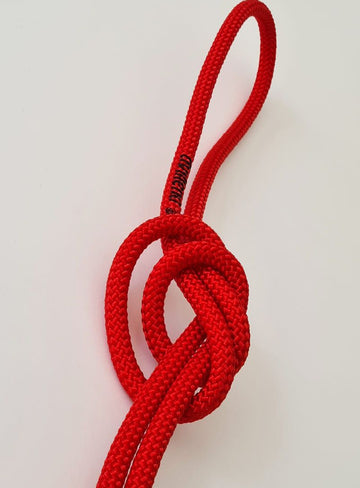
Under the current FIG Code of Points (2025–2028 cycle), senior individual gymnasts compete with four apparatus: hoop, ball, clubs, and ribbon. The rope is not part of the current senior individual programme, though it appears in some junior and group events.
How long is the ribbon used at the World Championships?
Senior gymnasts compete with a ribbon of at least 6 metres, measured from the attachment to the free end. Junior categories use 5 metres. The stick is 50–60 cm long.
How are gymnasts scored at the World Championships?
Routines are judged on two main components: Difficulty (D), which rewards technical content including body difficulty and apparatus handling, and Execution (E), which penalizes faults in technique, artistry, and apparatus control. The combined D + E score determines the ranking. All scoring follows the FIG Code of Points, which is reviewed and updated each Olympic cycle.
What Is Rhythmic Gymnastics? A Complete Guide to the Sport, Apparatus and Competitions